
Bhakti sastri course
In-depth study of the Bhagavad-gita and the foundational texts of Vaishnava philosophy. In French, and in English with Ajita das.

ISKCON Québec's Academy of Vedic Theology offers systematic teaching of the Vedic scriptures, such as the Bhagavad-gita and the Srimad-Bhagavatam, to give you a solid foundation in Vaishnava philosophy.

In-depth study of the Bhagavad-gita and the foundational texts of Vaishnava philosophy. In French, and in English with Ajita das.
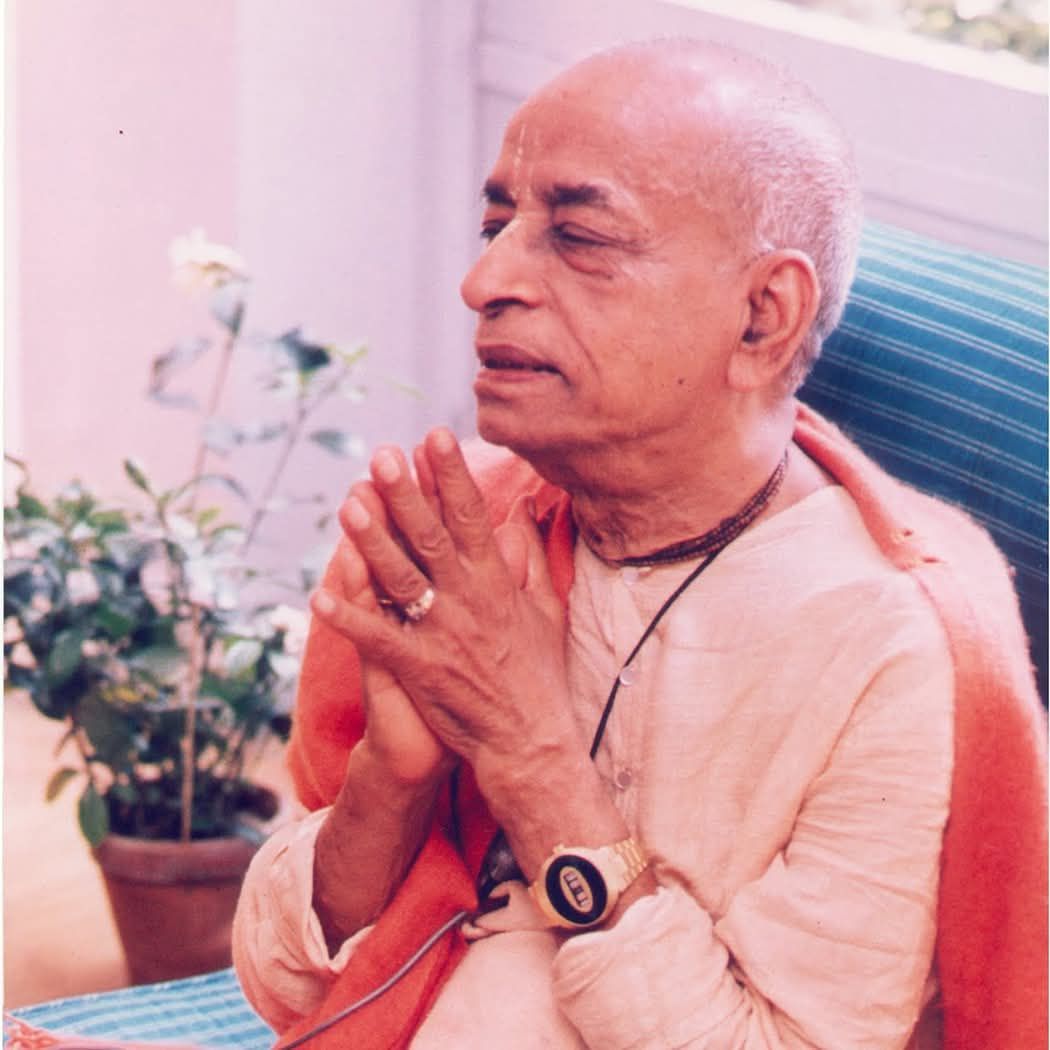
ISKCON's course on the relationship between the spiritual master and the disciple, for those considering initiation. In French.

Founder and teacher
She joined ISKCON in 2008 and was initiated in 2014 by His Holiness Gopal Krishna Swami. A graduate of the Bhakti sastri program at ISKCON New Mayapur, she teaches the Disciple Course (IDC) and Bhakti sastri in French.

Teacher
A devoted practitioner of bhakti yoga, initiated in ISKCON in April 2024, Ajita is a graduate of the Bhakti Academy's Bhakti sastri program. He teaches Bhakti sastri in French and in English.
Our partner is the Académie Gaudiya Vaishnava at New Mayapur, in France.

“Always think of Me, become My devotee, worship Me and offer your homage unto Me. Thus you will come to Me without fail. I promise you this because you are My very dear friend.”
Bhagavad-gita 18.65
“Hearing and chanting about the transcendental holy name, form, qualities, paraphernalia and pastimes of Lord Vishnu, remembering them, serving the lotus feet of the Lord, offering the Lord respectful worship with sixteen types of paraphernalia, offering prayers to the Lord, becoming His servant, considering the Lord one’s best friend, and surrendering everything unto Him (in other words, serving Him with the body, mind and words) - these nine processes are accepted as pure devotional service. One who has dedicated his life to the service of Krishna through these nine methods should be understood to be the most learned person, for he has acquired complete knowledge.”
Srimad-Bhagavatam 7.5.23-24
“Fearlessness; purification of one’s existence; cultivation of spiritual knowledge; charity; self-control; performance of sacrifice; study of the Vedas; austerity; simplicity; nonviolence; truthfulness; freedom from anger; renunciation; tranquillity; aversion to faultfinding; compassion for all living entities; freedom from covetousness; gentleness; modesty; steady determination; vigor; forgiveness; fortitude; cleanliness; and freedom from envy and from the passion for honor - these transcendental qualities, O son of Bharata, belong to godly men endowed with divine nature.”
Bhagavad-gita 16.1-3